Monthly Archives: September 2012

Likewise [Luke 10:34]

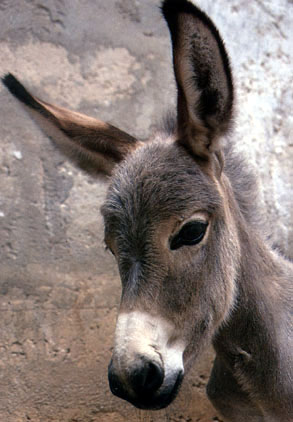
It was nothing to the donkey. She took the new bulk on her black-crossed back without a twitching glance over the sheen on her shoulder.

It was light, lighter than jars of cool clay condensing, lighter than milled grain in burlap, lighter than bales or bundled sticks. It smelled of oil and wine.

It was nothing to her, to plod downhill in the heat, to halt at quick commands. It was nothing to wait, snuffling at flies, while he tugged at the shifting load.

The war between sides, the intake of aggressive breath, the long human detour around the other kind, these were nothing to her. She took the new bulk on her black-crossed back.

It smelled of oil and wine, and it was light, but not lighter than hitchhiking sparrows, or his hand on the lead, or his stubborn step on the riddled roadway down.
Candlemas [Luke 2:22-36]


Simeon, full of the Spirit, nearly fainted

when he saw the child.

He snatched him from Mary,

which alarmed her until she heard his praise.

Then she and Joseph were astounded.

Just as Simeon gave him back,

wise old Anna came in

and began shouting about the messiah

in the dramatic way of prophets.

More amazement ensued.

The whole thing was like a scene in a Hollywood epic:

swelling score, meaningful glances, a beautiful child.

Yet when they finished doing what the Law required

and his parents took him home, left behind for the priests

were two bobble-headed birds, slate gray,

cooing in the quiet after the commotion,

just a few steps away from the knife

that’s always sharpening somewhere for the poor.

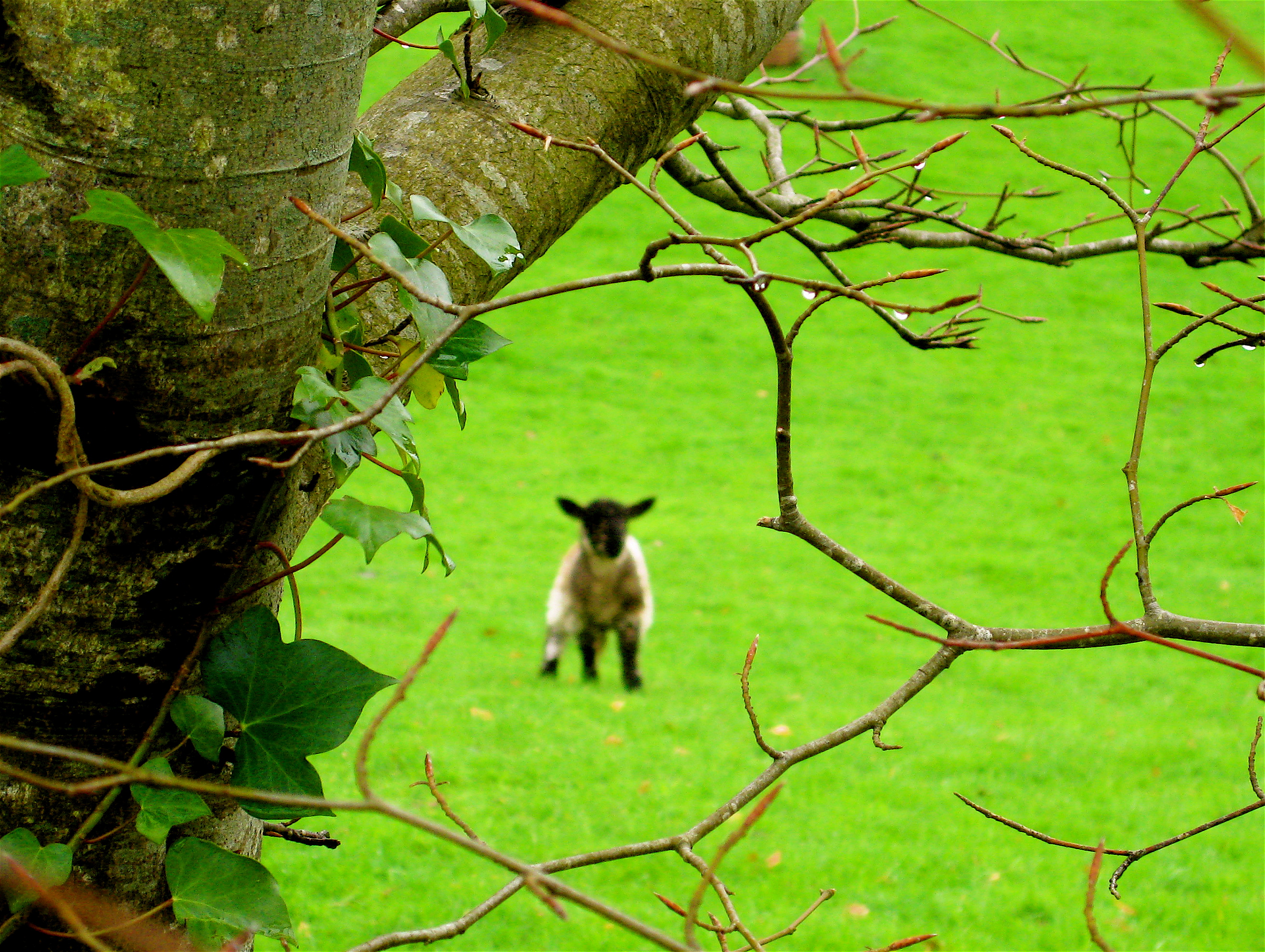
Agnus Dei

Medieval mockers sang the Mass

in Latin tongue in cheek,

upending what they’d learned by heart

from week to weary week,

inventing silly solemn chants,

ill-mannered and uncouth;

but one of them at least declared

a universal truth:

“O Christ,” they sang with sly delight,

as plain folk often do,

“You are the Lamb of God, and we

are on the lam from you!”


The Donkey Was Reliable [Matthew 2:13-15]

While Joseph locked the house and pocketed the key,

looking over his shoulder, alert for boots and steel,

your mother grabbed a dog-eared Goodnight Moon,

and two soft toys, strapped you in the car-seat

on the back of the beast, looped the bag over her arm,

and climbed on. The donkey was reliable

all the way to Egypt.

And now, O Jesus, risen from the dead,

we look to you to carry.

Whenever hearts too hard pursued need hiding

in some far safe place, we pack up fears and treasures

and climb on you.

Prepare Ye [Matthew 3:4b]

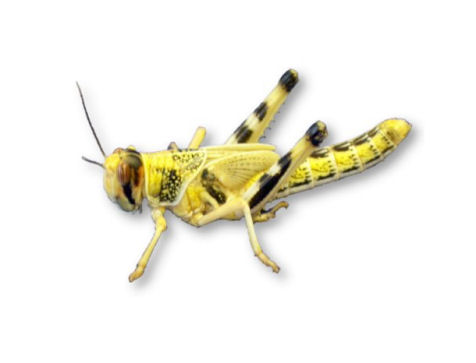
Those spring-loaded locusts you caught on the fly?  Try broiling or baking, or bread them and fry;

or snap off their noggins and set them to boil, then dry them and mince them and sauté in oil;

or serve them with garlic and saffron, or plain, and eat them at supper for starters or main;

or dust them with sugar and serve on a stick, or coat them in choc-o-late luscious and thick;

or pop them still thrumming, still blinking and raw,                               with no salt or ketchup right into your craw.  

These methods will make you a bug-eating whiz.   So how did the Baptist, I wonder, eat his?

Langue de chien, langue de médecin [Luke 16:20]

The dog comes down the road, all loping insousiance, upcurled tail attended by a retinue of flies.

His speckled tongue lolls over brown teeth, searching the air for decay.

He muzzles through rinds and gristle, tosses wrappers streaked with oil, laps the slick skins of old boiled fish

and comes at last to Lazarus lumped at the gate. Filthy dog, the poor man says, afraid. You will tear me apart.

A long tongue finds an ulcered arm. The dog takes pleasure in this sour business, licking and licking the sores.

When all the sores turn pink, the Samaritan departs.

Even the Dogs [Matthew 15:27]

                                                                                                               I hope for messy eaters

who tear supper loaves apart

as if there were no tomorrow

passed from hand to hand

crusty crumbs descend

from board to this bare place

manna at night

I hope for rowdy eaters

who wave big-knuckled hands

to illustrate loud opinions

downsweep catches the cup

it clatters down to me

still in its dented bowl

water from rock

I hope for happy eaters

who hip to hip on benches

sway to their mothers’ songs

napkins slide from knees

parachutes with cargo

cores of new green apples

Eden again

An Excerpt from St Peter’s Welcome Speech to The Newly-Arrived in Heaven [Matthew 6:19]


In Heaven

you can wear wool if you want to.

When you stroll inside these pearly gates

on our golden streets to choir Wednesdays at seven

(we need more baritones) or watch

the guard change smartly at noon

in the smoky throne room of the Ever-New,

no one will point out the ragged holes

that once upon a time, when time

made creatures hungry, indicated

surreptitious suppers in your sweater drawer.

Here, no moths destroy.

We have them otherwise attracted

in so much light.

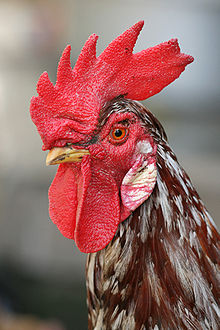
Consider the Ravens [Luke 9: 58; 12:24]

I neither sow nor reap.

I dine at seed bags left in shade.

I drink from wells that pool

beneath the bucket’s ticking drip.

I am king of barns, emperor of silos.

I rise on grace and air.

I do not work for my buoyant bones,

my fat beak and sooty song.

I labor only for string and sticks,

for long dry grass and leaves

to build the ample nest you notice

here above your head,

the bed you sigh for

when night comes cold

and you, still in the open,

lie down under trees.

For nests I dare the breathless flight

between the slinking cat’s green eye

and small slung stones of boys.